You have found the perfect dress pattern. You are standing in the fabric store, staring at a gorgeous bolt of fabric. Then the question hits you like a freight train:
“How much fabric do I need?”
If you have ever gone home with too little fabric only to discover halfway through your project that you are three inches short you already know the kind of frustration that follows. And if you have bought twice as much as you needed, you know that fabric budgets do not forgive guesswork.
That is exactly why a fabric calculator is a must-have tool for every woman who sews, designs, or simply wants to make the most of every yard.
In this guide, you will learn exactly how to calculate how much fabric you need for a dress, skirt, blouse, pants, and more broken down by garment type, body measurements, and fabric width. You will also learn about the different lengths of fabric, how to read a sewing pattern for yardage, and how to avoid the most common measuring mistakes.
And yes we have a free tool to do it all for you. Use our Fabric Length Calculator to get instant, accurate yardage estimates based on your measurements.
Let us get into it.
What Is a Fabric Calculator?
A fabric calculator is a digital or manual tool that helps you determine the exact amount of fabric required to complete a sewing project. Instead of relying on rough estimates or recycled advice like “just buy 3 yards,” a fabric calculator takes into account:
- Your body measurements (bust, waist, hip, height)
- The type of garment you are making (dress, blouse, skirt, pants)
- The width of the fabric you are working with (45 inches, 54 inches, 60 inches)
- The length of the garment you want
- Whether you need extra for seams, hem allowances, or pattern repeats
Whether you are a beginner sewing your first summer dress or an experienced designer making a formal gown, a fabric calculator saves you time, money, and a lot of guesswork.
Try our free tool now: Fabric Length Calculator
Why Accurate Fabric Calculation Matters
Most women underestimate how much fabric they need especially when sewing for the first time. Here is why getting it right from the start is so important:
1. Fabric Is Expensive
Quality fabric can cost anywhere from 5to30+ per yard. A miscalculation of just 2 yards can add significant cost to your project or leave you unable to finish it.
2. Dye Lots and Batches Change
If you run short and go back to buy more of the same fabric, there is no guarantee the dye lot will be an exact match. Even the same colorway from the same manufacturer can vary slightly between batches. Buying the right amount upfront eliminates this risk entirely.
3. Patterns Are Not One-Size-Fits-All
Sewing patterns list fabric requirements based on a standard size (usually a size 14 or specific measurements). If your measurements differ especially if you are plus-size, tall, or petite you need to calculate how much fabric you need based on your body, not the pattern’s average.
4. Saves You From Stressful Trips Back to the Store
We have all been there. You are mid-project. You realize you do not have enough fabric. The store is 30 minutes away. The calculation step you skipped suddenly costs you an entire afternoon.
5. Reduces Fabric Waste
On the flip side, buying too much fabric because you were not sure leads to waste both financially and environmentally. A fabric calculator helps you buy exactly what you need (with a small, calculated buffer).
Understanding Lengths of Fabric
Before you can calculate how much fabric you need, you need to understand how lengths of fabric are measured and sold. This trips up many beginner and intermediate sewers.
Standard Fabric Lengths Explained
| Term | Length | Notes |
|---|---|---|
| Fat Quarter | 18″ × 22″ (≈ 0.25 yd) | Common in quilting; not a full width cut |
| Half Yard | 18″ × fabric width | Good for small projects like pockets, facings |
| 1 Yard | 36″ × fabric width | Basic unit of fabric measurement |
| 2 Yards | 72″ × fabric width | Minimum for most simple blouses or tops |
| 3 Yards | 108″ × fabric width | Good starting point for a simple dress |
| 4–5 Yards | 144–180″ × fabric width | Suitable for fuller skirts, jumpsuits, or lined dresses |
| 1 Bolt | 15–25 yards | Full commercial roll; used in production |
Fabric Width The Other Measurement That Matters
When a store says “1 yard of fabric,” that 1 yard refers to the length along the selvedge edge. The width of the fabric is a separate measurement entirely and it dramatically affects how much yardage you need.
Common fabric widths:
- 44/45 inches Most quilting cotton, linen, lightweight wovens
- 54 inches Many garment fabrics, mid-weight textiles
- 58/60 inches Knit fabrics, suiting, fleece, some satins
- 72 inches Wide format fabrics, blanket fleece, interfacing
The wider the fabric, the less yardage you typically need to cut all your pattern pieces. If you switch from 45″ wide fabric to 60″ wide fabric, you may need half a yard less in total.
How to Calculate How Much Fabric You Need
Here is the step-by-step method for manually calculating your fabric needs the same logic our Fabric Length Calculator Tool uses automatically.
Step 1: Take Your Measurements
You will need these key measurements:
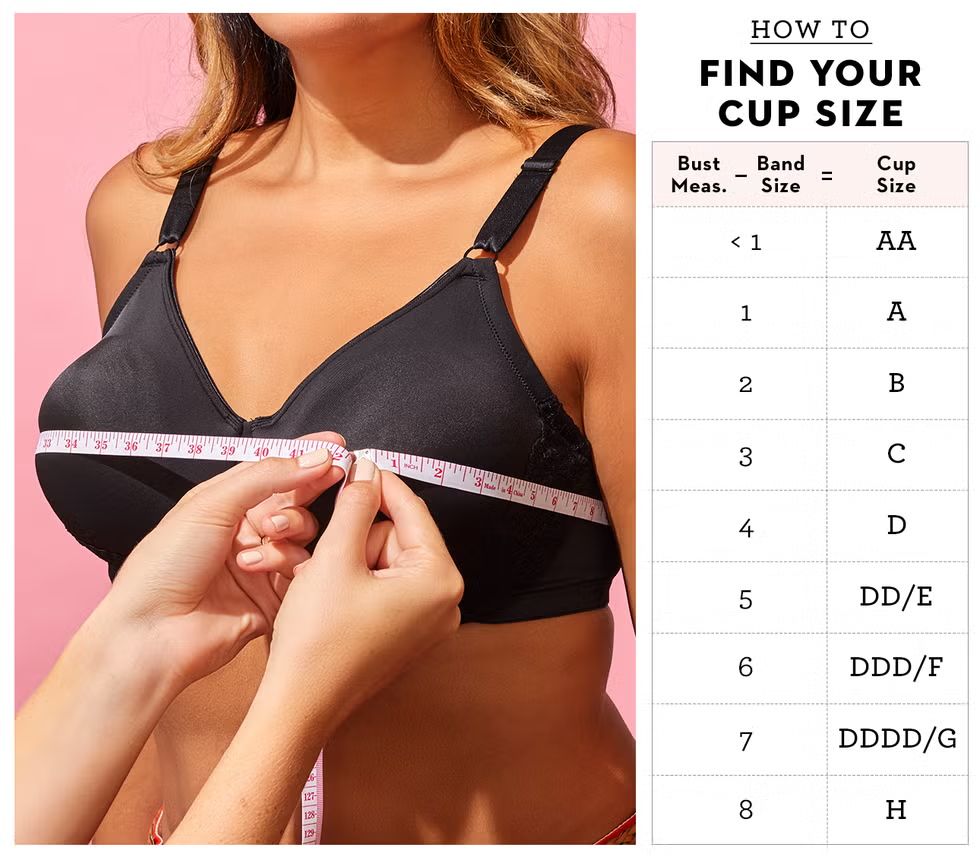
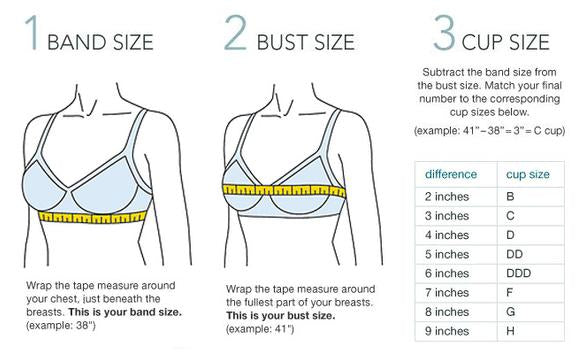
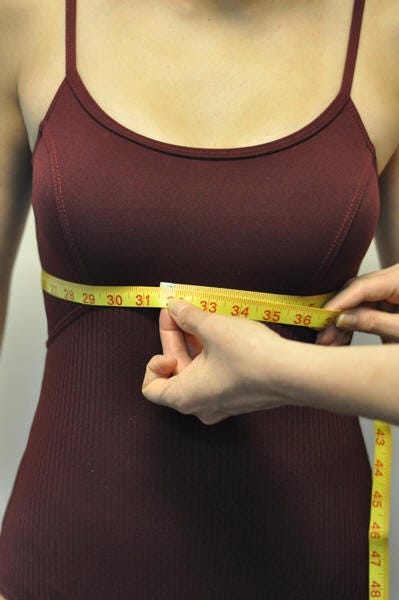
- Full bust (at the fullest point, wearing your usual bra)
- Natural waist (narrowest point of your torso)
- Full hip (7–9 inches below your waist, at the widest point)
- Your height (or the desired finished length of the garment)
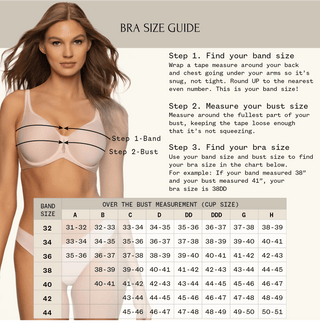
Not sure how to take these measurements? Visit our Bra Size Calculator for a full measurement guide tailored to women’s sizing.
Step 2: Determine Your Garment Length
Decide how long you want your finished garment to be:
- Mini dress: ~34–36 inches (waist to mid-thigh)
- Knee-length dress: ~40–43 inches
- Midi dress: ~48–52 inches
- Maxi dress: ~58–62 inches (floor length)
- Full-length gown: ~60–67 inches depending on height
Always add 2–3 inches for seam allowance at the hem and 1–2 inches at the waist or neckline.
Step 3: Calculate the Number of Pattern Widths
Divide the fabric width by the widest pattern piece width to determine how many pieces you can cut side by side.
Example:
- Fabric width: 45 inches
- Widest pattern piece (bodice front): 22 inches
- You can cut 2 pieces side by side across the width
Step 4: Calculate Total Length Needed
Add up the length of every pattern piece (including seam allowances), accounting for how many rows of cuts you need:
Formula: Total Length = (Sum of pattern piece lengths per row) × (Number of rows needed)
Step 5: Add Extra for Seams, Hems, and Shrinkage
Add a minimum of:
- 2 inches for seam allowances at major seams
- 2 inches for hem
- 5–10% for shrinkage if you are pre-washing the fabric
- Extra 1–2 pattern repeats if working with a print, plaid, or stripe
The Easiest Solution: Use the Free Calculator
Rather than doing this math by hand every time, use our free Fabric Length Calculator to enter your measurements and get the exact yardage in seconds.
Fabric Calculator by Garment Type
Different garments require very different amounts of fabric. Here is a detailed reference guide for the most common sewing projects.
Tops and Blouses
| Garment | 45″ Wide Fabric | 60″ Wide Fabric |
|---|---|---|
| Sleeveless top | 1.5 yards | 1.25 yards |
| Short-sleeved blouse | 2 yards | 1.75 yards |
| Long-sleeved button-up shirt | 2.5 yards | 2 yards |
| Off-shoulder blouse | 2 yards | 1.75 yards |
| Wrap top | 2.25 yards | 1.75 yards |
Skirts
| Garment | 45″ Wide Fabric | 60″ Wide Fabric |
|---|---|---|
| Mini skirt (A-line) | 1.25 yards | 1 yard |
| Knee-length fitted skirt | 1.5 yards | 1.25 yards |
| Midi circle skirt | 3.5 yards | 3 yards |
| Maxi skirt (gathered) | 4–5 yards | 3–4 yards |
| Full tulle skirt | 6–10 yards | 5–8 yards |
Dresses
| Dress Style | 45″ Wide Fabric | 60″ Wide Fabric |
|---|---|---|
| Simple shift dress | 2.5 yards | 2 yards |
| A-line dress (knee length) | 3 yards | 2.5 yards |
| Wrap dress | 3.5 yards | 3 yards |
| Fit-and-flare dress | 3.5–4 yards | 3 yards |
| Maxi sundress | 4–5 yards | 3.5–4 yards |
| Formal gown (fitted) | 4–6 yards | 3.5–5 yards |
| Ball gown / prom dress | 8–15 yards | 7–12 yards |
Pants and Trousers
| Garment | 45″ Wide Fabric | 60″ Wide Fabric |
|---|---|---|
| Shorts | 1.5 yards | 1.25 yards |
| Cropped pants | 2.25 yards | 2 yards |
| Full-length straight-leg pants | 2.5–3 yards | 2.25–2.5 yards |
| Wide-leg trousers | 3–3.5 yards | 2.5–3 yards |
| Overalls / Jumpsuit | 4–5 yards | 3.5–4 yards |
Note: All estimates above are for a standard size 14 based on approximately 38″ bust, 30″ waist, 40″ hip. If you are above or below this, adjust accordingly. Use our Fabric Length Calculator to get personalized estimates.
How Much Fabric Do I Need for a Dress Calculator Guide
This is the most searched question when it comes to fabric estimation and for good reason. Dresses vary enormously in their construction, from a simple slip dress to an elaborate ball gown.
Here is a deeper breakdown:
Simple Shift Dress or Bodycon Dress
A straight, form-fitting dress with minimal structure requires the least fabric of all dress styles. Because the body has little ease and no flare, every inch of fabric is used efficiently.
Typical amount: 2 to 2.5 yards (45″ wide), or 1.75 to 2 yards (60″ wide)
What affects this:
- Adding short sleeves: add 0.5 yards
- Adding a collar: add 0.25 yards
- Taller than 5’7″: add 0.5 yards
Wrap Dress
A wrap dress requires extra fabric because the front bodice sections need to cross over each other. The tie belt also requires additional yardage.
Typical amount: 3 to 4 yards depending on sleeve style
Pro tip: Wrap dresses are forgiving on size variations. If you are between sizes, size up you will use the tie to cinch the waist.
A-Line Dress
An A-line silhouette flares from the waist down. How much it flares depends on the design a gentle A-line uses less fabric than a dramatic one.
Typical amount: 3 to 3.5 yards
Fit-and-Flare / Skater Dress
The fitted bodice transitions into a full, circular skirt. That full skirt requires significant yardage.
Typical amount: 3.5 to 4.5 yards
Maxi Dress / Sundress
Length is the primary driver here. A floor-length dress simply needs more fabric from top to bottom.
Typical amount: 4 to 5.5 yards
Formal Gown or Evening Dress
Formal gowns often involve lining, a structured bodice, and a sweeping skirt. Lining alone can add another 2–3 yards to your total.
Typical amount: 5 to 8 yards outer fabric + 2–3 yards lining fabric
Ball Gown / Prom Dress / Wedding Dress
These dramatic silhouettes require enormous amounts of fabric for the skirt layers, petticoats, and structured bodice.
Typical amount: 8 to 15+ yards outer fabric, plus underlining and lining
Why guess when you can calculate exactly? Enter your measurements into our Fabric Length Calculator and get the precise amount for your specific dress style and body size.
Calculate How Much Fabric I Need by Body Measurement
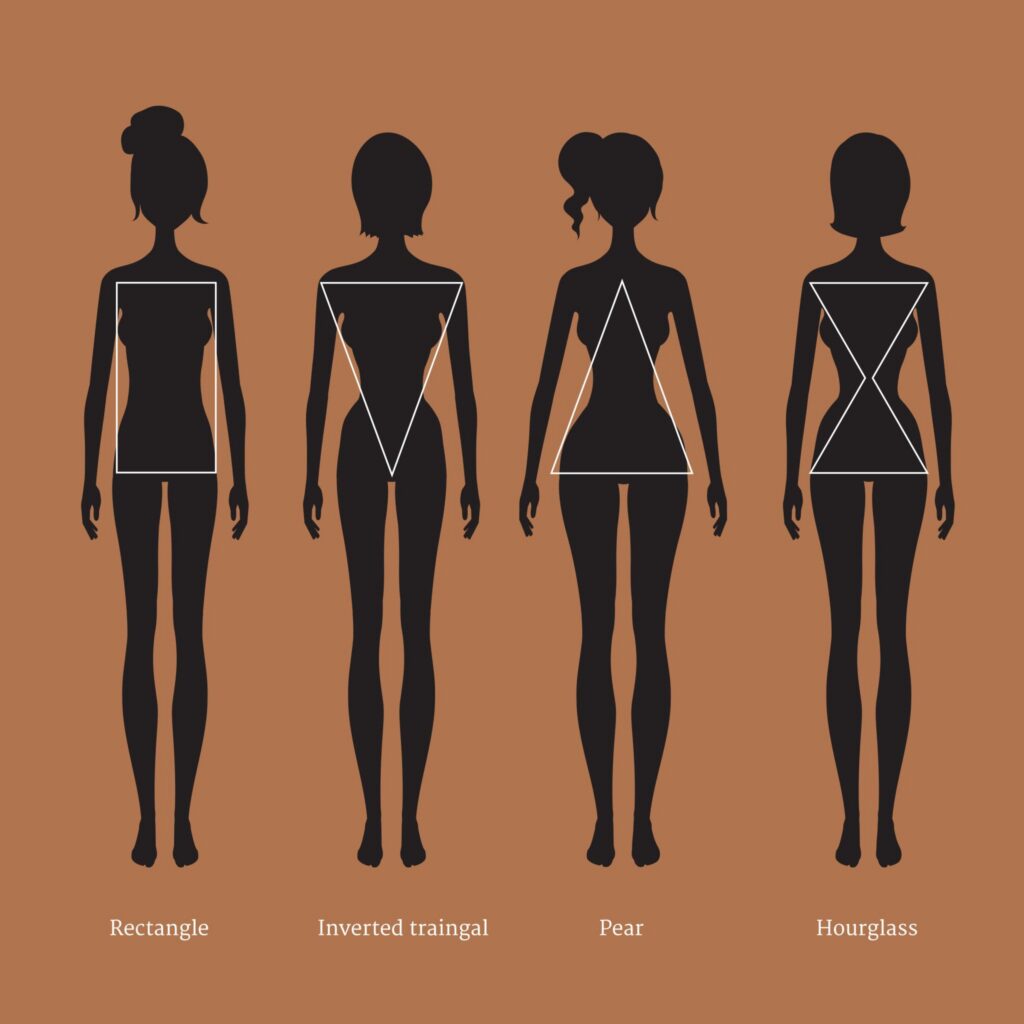
Standard patterns list yardage for a “standard” figure, but real women come in all shapes and sizes. Use this section to understand how your specific measurements affect fabric needs.
Height Adjustments
Most patterns are drafted for a 5’5″ to 5’7″ height range.
| Your Height | Adjustment |
|---|---|
| Under 5’2″ (petite) | Subtract 0.25–0.5 yards |
| 5’2″ to 5’7″ (standard) | No adjustment needed |
| 5’8″ to 5’10” | Add 0.25–0.5 yards |
| Over 5’10” | Add 0.5–1 yard |
Bust Adjustments
Patterns are usually drafted to a 36″ or 38″ full bust.
| Your Bust | Adjustment |
|---|---|
| Under 34″ | Subtract 0.25 yards |
| 34″–38″ | Standard |
| 40″–44″ | Add 0.25–0.5 yards |
| 46″–50″ | Add 0.5–1 yard |
| 52″+ | Add 1–1.5 yards |
Hip Adjustments
Wide hips mean wider pattern pieces for the skirt sections.
| Your Hip | Adjustment |
|---|---|
| Under 38″ | Subtract 0.25 yards |
| 38″–42″ | Standard |
| 44″–48″ | Add 0.25–0.5 yards |
| 50″–54″ | Add 0.5–1 yard |
| 56″+ | Add 1–1.5 yards |
Fabric by Standard Dress Size
As a quick reference, here is a general yardage guide for a simple knee-length dress based on dress size:
| Dress Size (US) | Approx. Measurements | 45″ Fabric | 60″ Fabric |
|---|---|---|---|
| XS / Size 2–4 | 32B / 24W / 34H | 2.25 yds | 2 yds |
| S / Size 6–8 | 34B / 26W / 36H | 2.5 yds | 2 yds |
| M / Size 10–12 | 36B / 28W / 38H | 2.75 yds | 2.25 yds |
| L / Size 14–16 | 38B / 30W / 40H | 3 yds | 2.5 yds |
| XL / Size 18–20 | 41B / 33W / 43H | 3.25 yds | 2.75 yds |
| XXL / Size 22–24 | 44B / 36W / 46H | 3.5 yds | 3 yds |
| 3XL / Size 26–28 | 48B / 40W / 50H | 4 yds | 3.5 yds |
Fabric Width, Why It Changes Everything
This is one of the most overlooked factors when women try to calculate how much fabric they need. The same dress pattern can require very different amounts of fabric depending on how wide the fabric bolt is.
Why Does Fabric Width Matter?
Think of it this way: if your fabric is 45 inches wide, you have 45 inches of usable space to lay your pattern pieces across. If the fabric is 60 inches wide, you have 60 inches which means you can sometimes fit in an extra piece per row, reducing the total length needed.
A Real Example
You are making an A-line dress. The pattern requires:
- Front bodice piece: 20″ wide × 18″ long
- Back bodice piece: 20″ wide × 18″ long
- Front skirt: 22″ wide × 25″ long
- Back skirt: 22″ wide × 25″ long
On 45″ wide fabric:
- Row 1: Front bodice + Back bodice (fits side by side = 40″ wide, ✓ fits in 45″)
- Row 2: Front skirt + Back skirt (fits side by side = 44″ wide, barely fits in 45″)
- Total length needed: 18″ + 25″ = 43 inches ≈ 1.3 yards
- With seam allowances and hem = approximately 1.75–2 yards
On 60″ wide fabric:
- The same pieces fit the same way BUT you have more wiggle room for seam allowances
- You might be able to cut more pieces per row, saving fabric
- Result: approximately 1.5–1.75 yards
This is why our Fabric Length Calculator asks for fabric width as one of the key inputs so you get an accurate result based on the actual fabric you are buying.
Fabric Shrinkage: The Hidden Factor
Many women forget to account for fabric shrinkage and this mistake has ruined many beautiful projects.
Which Fabrics Shrink?
| Fabric Type | Shrinkage Rate | Pre-Wash Recommended? |
|---|---|---|
| 100% cotton | 2–5% | Yes — always |
| Linen | 3–8% | Yes — always |
| Rayon / Viscose | 10–15% | Yes — strongly |
| Jersey / Knit | 2–5% | Yes |
| Silk | Minimal | Hand wash test |
| Polyester | Minimal | Optional |
| Wool | 5–20% (felting possible) | Dry clean / steam only |
| Denim | 3–7% | Yes |
How to Account for Shrinkage in Your Calculation
Once you know the expected shrinkage percentage, add it to your base yardage:
Formula: Adjusted Yardage = Base Yardage ÷ (1 - Shrinkage Rate)
Example: You need 3 yards of linen, which shrinks 5%:3 ÷ (1 - 0.05) = 3 ÷ 0.95 = 3.16 yards
Round up to the nearest quarter yard: buy 3.25 yards.
Quick Rule of Thumb: Always buy at least 5–10% more fabric than your calculated amount to account for shrinkage, cutting errors, and unexpected adjustments.
Fabric Calculation for Different Sewing Skill Levels
The amount of fabric you need can also depend on your experience level as a sewist. Here is why and what to account for:
Beginner Sewers
If you are new to sewing, you will likely:
- Make some cutting mistakes and need to re-cut pieces
- Need extra fabric for practice runs
- Take longer and may need to redo sections
Recommendation: Add a 20–25% fabric buffer on top of your calculated amount.
Intermediate Sewers
You are comfortable with patterns but may still encounter fit adjustments, especially if you are sewing above or below standard sizing.
Recommendation: Add a 10–15% buffer for adjustments and seam ease.
Advanced Sewers
You pre-wash fabric, cut accurately, and know your adjustments in advance. You can work with less waste.
Recommendation: Add a 5–10% buffer for safety.
The Fabric Calculator Formula (Math Made Simple)
If you want to calculate fabric requirements manually without a tool, here is the complete formula:
For a Simple Garment (Top, Skirt, Basic Dress)
Total Fabric Length =
  (Garment Length + Seam Allowances + Hem) × Number of Fabric Lengths Needed
Where:
- Garment Length = front length from shoulder to hem OR waist to hem for skirts
- Seam Allowances = typically 0.5″–1″” added to each seam (standard = add 2–4″ total per piece)
- Hem allowance = typically 1.5″–3″
- Number of fabric lengths needed = how many times you need to repeat the cut down the length of the fabric
For a Dress with a Separate Bodice and Skirt
Total Fabric = Bodice Length (with allowances) + Skirt Length (with allowances)
Quick Estimation Formula (for most basic garments)
Yards Needed ≈ (Your Height in inches × 1.5) ÷ 36
Example for a 5’5″ woman (65 inches tall):(65 × 1.5) ÷ 36 = 97.5 ÷ 36 ≈ 2.7 yards
This covers a basic dress. Add more for sleeves, linings, or fuller skirts.
For the most accurate result: Enter your exact measurements into our Fabric Length Calculator.
Metric vs Imperial: Yards, Meters, and Inches Explained
Fabric is sold in different units depending on where you are in the world. Here is a quick conversion guide:
| Imperial | Metric Equivalent |
|---|---|
| 1 inch | 2.54 centimeters |
| 1 yard | 91.44 centimeters (≈ 0.914 meters) |
| 1 meter | 1.094 yards (≈ 39.37 inches) |
| 45 inches (fabric width) | 114 cm |
| 54 inches (fabric width) | 137 cm |
| 60 inches (fabric width) | 152 cm |
Converting Between Yards and Meters
- To convert yards to meters: multiply by 0.914
- To convert meters to yards: multiply by 1.094
Example: Pattern calls for 3 yards how many meters?3 × 0.914 = 2.74 meters round up to 2.8 meters to be safe.
Our Fabric Length Calculator works with both metric and imperial measurements, so you get the right answer no matter which system you use.
Fabric Calculation Cheat Sheet
Print or bookmark this quick-reference table for your sewing room:
| Garment | Fabric Needed (45″ wide) | Fabric Needed (60″ wide) |
|---|---|---|
| Tank top / cami | 1 yard | 0.75 yards |
| T-shirt (knit) | 1.5 yards | 1.25 yards |
| Short-sleeve blouse | 2 yards | 1.75 yards |
| Long-sleeve shirt | 2.5 yards | 2 yards |
| Mini skirt | 1.25 yards | 1 yard |
| Knee-length skirt | 1.75 yards | 1.5 yards |
| Midi skirt (A-line) | 2.5 yards | 2 yards |
| Maxi skirt (gathered) | 4–5 yards | 3.5–4 yards |
| Mini dress | 2 yards | 1.75 yards |
| Shift dress (knee) | 2.5 yards | 2 yards |
| Wrap dress | 3.5 yards | 3 yards |
| A-line dress | 3 yards | 2.5 yards |
| Maxi dress | 4.5 yards | 3.75 yards |
| Formal gown | 5–7 yards | 4–6 yards |
| Ball gown | 10–15 yards | 8–12 yards |
| Shorts | 1.5 yards | 1.25 yards |
| Pants (straight) | 2.75 yards | 2.25 yards |
| Jumpsuit | 4.5 yards | 3.75 yards |
These are general estimates for a standard size 14 (38″ bust, 30″ waist, 40″ hip). Adjust for your specific size using our Fabric Length Calculator.
Tips for Buying Fabric Like a Pro
Before you head to the fabric store (or shop online), keep these expert tips in mind:
1. Always Pre-Wash Before You Cut
Wash and dry the fabric the same way you plan to care for the finished garment, before cutting any pattern pieces. This removes sizing, shrinks the fabric to its true dimensions, and ensures your finished garment will not shrink or warp after the first wash.
2. Buy Extra When in Doubt
If you are torn between buying 2.75 yards and 3 yards, always go with the extra. The cost difference is minimal, but running short mid-project is painful.
3. Check the Pattern Before Buying
Read the pattern envelope carefully. It lists recommended fabrics, yardage for each size, and any special notes. This takes 2 minutes and saves enormous headaches.
4. Note the Dye Lot Number
If you plan to buy more fabric later, photograph or write down the dye lot number from the bolt. This will help the store match it if it is still available.
5. Bring Your Measurements to the Store
Print them out or save them on your phone. Nothing is more frustrating than standing at the cutting counter trying to calculate yardage from memory.
6. Use a Digital Fabric Calculator
Take the guesswork completely out of the equation. Our free Fabric Length Calculator gives you a personalized, accurate recommendation in seconds.
Final Thoughts
Every beautiful garment starts with the right amount of fabric. Whether you are sewing your first summer dress, crafting a custom wedding gown, or finally making those wide-leg trousers you have been dreaming about, knowing how to calculate how much fabric you need is one of the most valuable skills you can have as a sewist.
The good news? You do not have to crunch numbers by hand.
Our free Fabric Length Calculator does all the work for you. Simply enter your measurements, choose your garment type, and get an instant, personalized fabric estimate in yards or meters, for any fabric width.
Stop guessing. Start creating.
→ Try the Fabric Length Calculator Now
Frequently Asked Questions
❓ How do I calculate how much fabric I need?
Start by measuring yourself (bust, waist, hip, height), then determine the length and style of the garment you want to make. Identify the width of the fabric you plan to buy. Add your major pattern pieces together to calculate the total length of fabric needed, then add 10–15% extra for seam allowances, hems, and shrinkage. Or, skip the math entirely and use our Fabric Length Calculator.
❓ How much fabric do I need for a dress?
It depends on the dress style and fabric width. A simple shift dress typically needs 2 to 2.5 yards of 45″ wide fabric. A wrap dress or A-line dress needs about 3 to 3.5 yards. A maxi dress needs 4 to 5.5 yards. A ball gown or formal dress can require 8 yards or more. See our full breakdown in the dress calculator section above.
❓ What is the standard length of a fabric bolt?
Commercial fabric bolts typically contain between 15 and 25 yards of fabric. Home sewing stores often sell fabric cut from the bolt in fractions of a yard (0.25, 0.5, 1 yard, etc.), so you only need to buy exactly what you need.
❓ How many yards of fabric do I need for a skirt?
- Mini skirt: 1 to 1.5 yards
- Knee-length fitted skirt: 1.5 to 2 yards
- Midi circle skirt: 3 to 4 yards
- Maxi gathered skirt: 4 to 5 yards
- Full tulle skirt: 6 to 10 yards
❓ Does fabric width affect how much I need to buy?
Absolutely. The wider the fabric, the fewer yards you typically need. A pattern that requires 3 yards of 45″ fabric may only need 2.5 yards of 60″ fabric because more pattern pieces fit across the width. Always check the pattern envelope for both widths, or calculate it manually by mapping your pieces onto the fabric width.
❓ How do I measure fabric for sewing?
When you buy fabric from a store, it is measured along the selvedge edge (the finished long edge of the fabric). You tell the store how many yards or meters you want, and they cut the fabric to that length. At home, you lay the fabric flat on a cutting surface and use a rotary cutter and ruler, or fabric scissors with a measuring tape, to mark and cut your pattern pieces.
❓ What does “on the fold” mean on a sewing pattern?
Many pattern pieces are marked “cut on the fold.” This means you fold your fabric in half, lay the pattern piece along the fold, and cut once creating a mirror image of the piece when you open it. This halves the cutting time but requires your fabric to be at least as wide as the maximum measurement of that pattern piece × 2.
❓ How much extra fabric should I buy for seam allowances?
Most commercial sewing patterns include a 5/8 inch (1.5 cm) seam allowance in the pattern pieces themselves. However, you still need extra fabric for the hem, neckline facings, and any fit adjustments. A safe rule of thumb is to add 0.5 yards (half a yard) to any estimate for seam allowances and adjustments.
❓ How much fabric do I need for a plus-size dress?
For plus-size dresses (size 18 and above), add at least 0.5 to 1.5 additional yards over standard estimates. A size 22 knee-length A-line dress typically needs 3.5 to 4 yards of 45″ fabric. Use the table in the body measurement section above for a size-specific estimate, or enter your exact measurements in our Fabric Length Calculator.
❓ How much fabric do I need for a wrap dress?
A wrap dress typically requires 3 to 4 yards of 45″ wide fabric. This accounts for the overlapping front panels, the tie belt, and sleeves (if included). If you are tall (above 5’7″) or plus-size, budget for 4 to 4.5 yards.
❓ What is the difference between yards and meters in fabric?
One yard equals approximately 0.914 meters (about 91 cm). One meter equals approximately 1.09 yards (about 39.4 inches). When a pattern specifies meters, multiply by 1.09 to convert to yards. When a pattern specifies yards, multiply by 0.914 to convert to meters.
❓ How do I calculate fabric for a gathered skirt?
For a gathered skirt, you need 1.5 to 2.5 times the finished width of the skirt (depending on desired fullness).
Formula: Fabric Width Required = Finished Skirt Circumference × Gather Ratio
Example: Hips are 42″, you want 2x fullness:42 × 2 = 84" width needed.
If your fabric is 45″ wide, you need 2 widths of fabric: 84 ÷ 45 = ~1.9 widths (round up to 2).
Total fabric = 2 widths × skirt length (say 28" for midi) = 56" ≈ 1.6 yards, plus hem and waistband.
❓ Does fabric type affect how much I need?
Not directly in terms of yardage, but fabric weight, drape, and stretch can affect how the garment fits and hangs. Stretchy knit fabrics often allow you to cut closer to the body, sometimes needing less yardage for the same garment compared to stiff wovens. Always check whether your pattern is designed for wovens or knits.
❓ How much fabric do I need for a lining?
As a general rule, you need roughly the same amount of lining fabric as your outer fabric, minus the hem allowance (since lining typically stops 1″ above the hem). For a dress requiring 3 yards outer fabric, budget 2.5 to 3 yards of lining fabric.
Looking for more size and measurement tools? Visit CalculateBraSize.site for our full collection of women’s size calculators, including bra size finder, dress size guide, and more.